Sneakerhead to Boothead
For years, my life was measured in colorways and drop dates. Having worked inside the sneaker industry, I lived for the storytelling that turned leather and rubber into cultural icons. I was a "sneakerhead" by trade and by heart, chasing the history behind the silhouettes.
But lately, the "chase" has started to feel different. While the hype in the sneaker world has reached an all-time high a couple of years ago, I’ve noticed a disheartening trend: quality control issues, synthetic materials, and the "story" has been more obvious that it was mass-produced rather than earned.
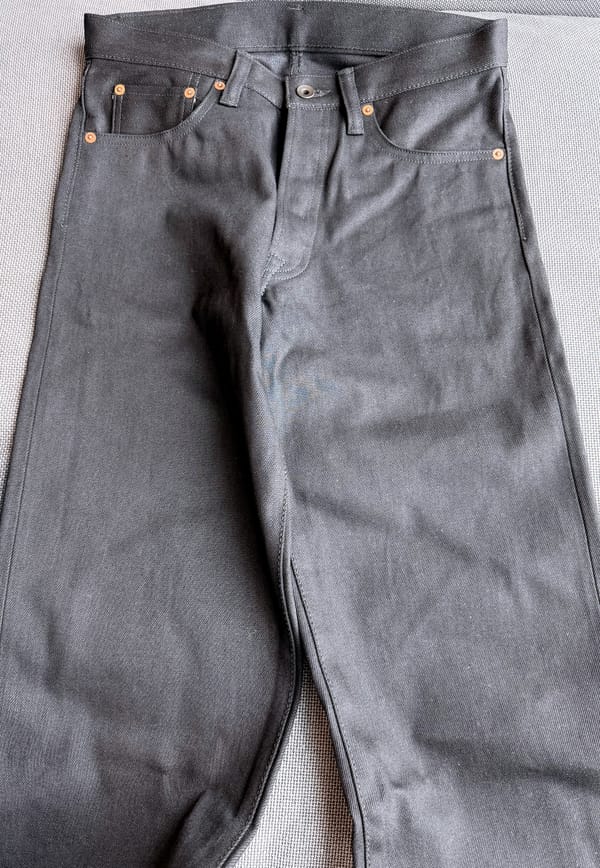
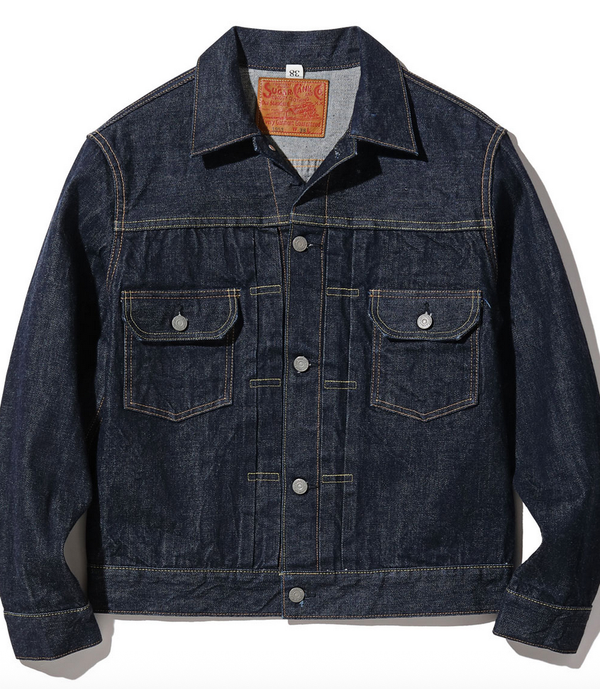
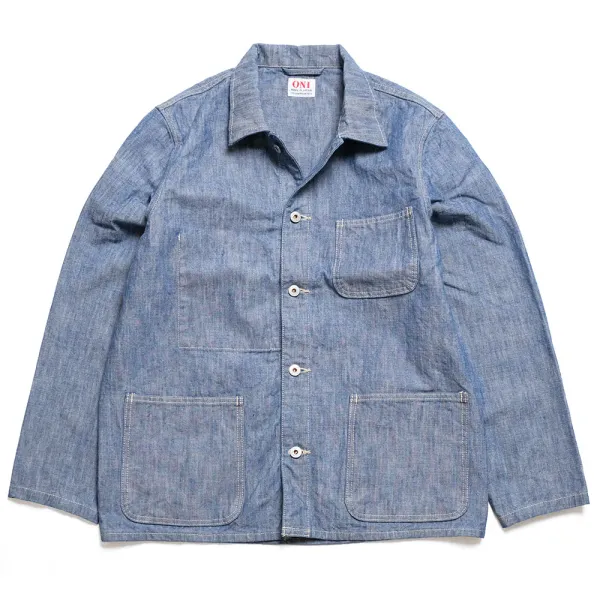
Living in Japan, I stumbled upon a different path—Amekaji (Japanese American Casual). Surprisingly, it offered everything that originally attracted me to sneakers, but with a level of soul and substance I hadn't realized I was missing.
The Same Soul, A Better Build
What drew me to sneakers was the heritage—the idea that a shoe was designed for a specific purpose and took cues from sub cultures which resonated with me. Amekaji operates on that same frequency. Whether it’s a reproduction of a 1940s naval deck jacket or a pair of hand-lasted boots, the intention is clear.
The biggest "refresh" for me? The quality.
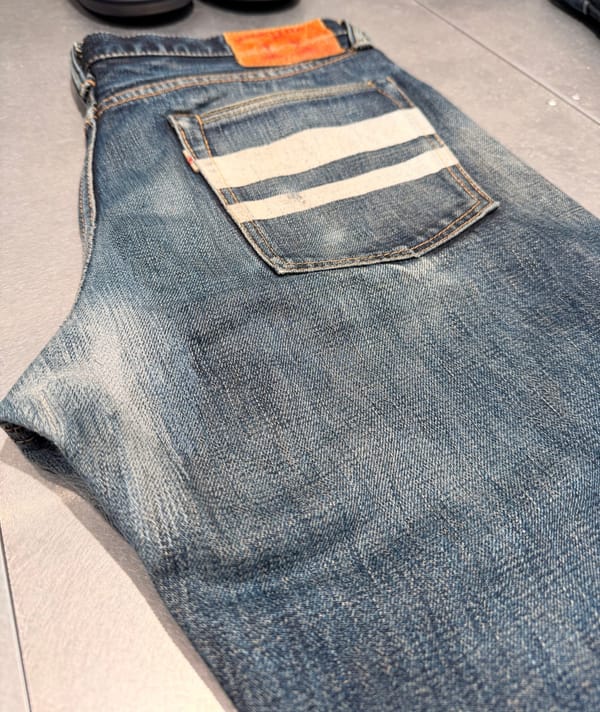
In the sneaker world, we’ve grown accustomed to "planned obsolescence"—glue stains, fraying stitches, and materials that crack after a few wears especially left sitting on the shelf for multiple years unworn. Japanese Amekaji is the antithesis of that. Here, the "build" is a point of pride. Using vintage shuttle looms for denim and traditional bench-making for footwear, these products aren't just made to last; they are made to evolve.
Case in Point: The Clinch Experience
I recently visited a pop-up for Meyer & Welch, the new label from Minoru Matsuura (the genius behind Brass Shoe Co. and Clinch boots). It was a wake-up call.
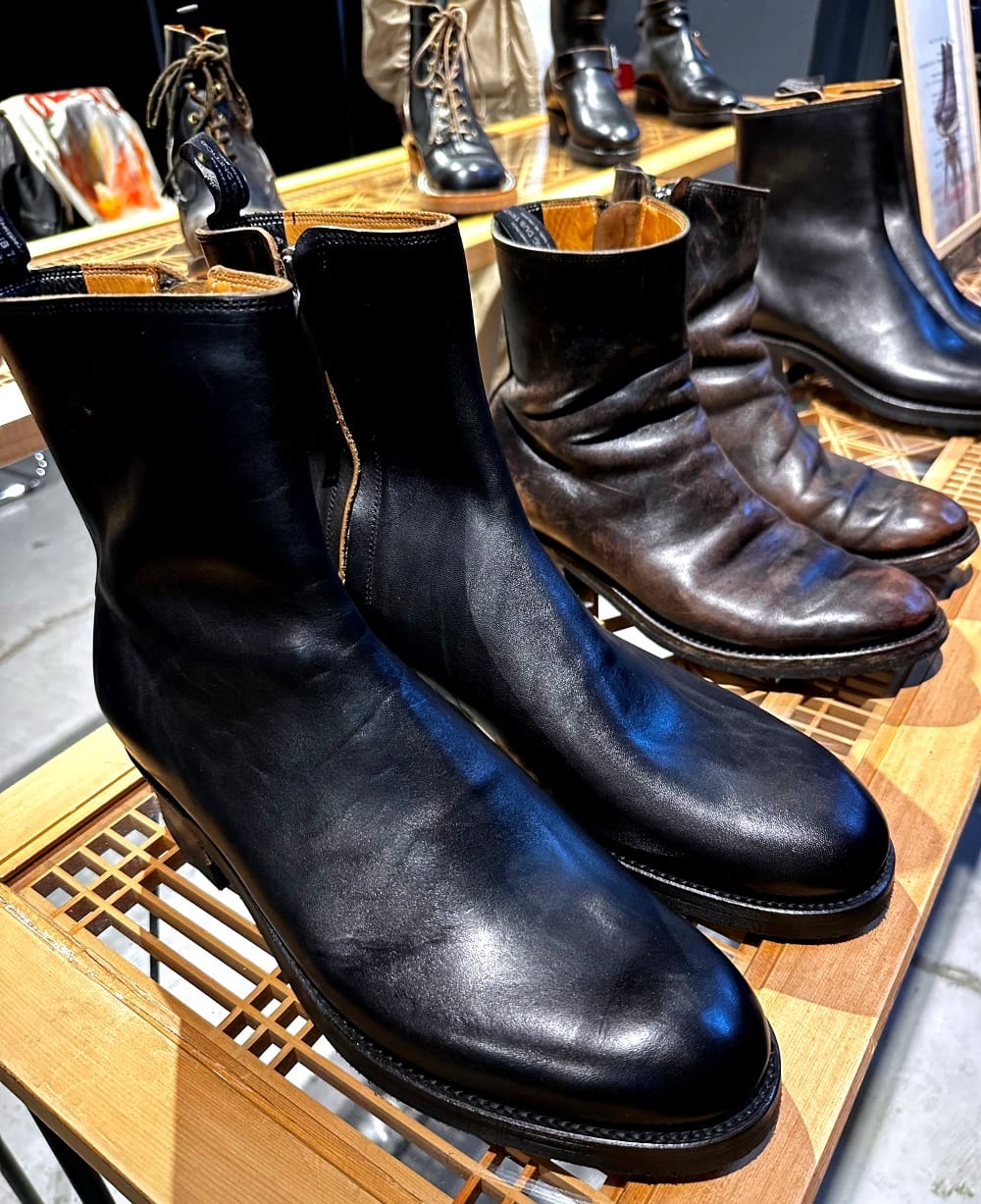
I saw a pair of aged Yeager boots on display, and it reminded me of why I fell in love with footwear in the first place. Instead of the leather peeling or the shape collapsing—as we often see with "hyped" leather sneakers—these boots had transformed. The leather had become supple and deep, revealing a rich dark brown patina that only comes with time and honest wear.
A New Perspective from Japan
The "limited edition" nature of these products isn't manufactured by a marketing team; it’s a result of how long it takes to make something the right way. Seeing the queues for these small-batch releases felt familiar, but the payoff was different. I wasn't buying a plastic-heavy shoe that would look worse in six months; I was investing in a piece of heritage that would look better in six years.
I hope that by sharing these stories and my perspective from here in Japan, I can offer a new lens to those who—like me—still love a good story, but are tired of compromising on quality.
The hype might fade, but the craftsmanship remains.